Looking for a Fort Worth neighborhood where you can stroll to dinner, admire early 20th-century architecture, and still feel connected to the city’s energy? If that sounds like your ideal balance, Fort Worth offers several strong options, but they do not all deliver the same kind of walkable historic charm. Some areas lean toward lively, amenity-rich urban living, while others offer quieter residential streets with classic homes and a close-in location. This guide will help you compare the best fits so you can focus your search with more clarity. Let’s dive in.
Walkable historic charm means different things
In Fort Worth, “walkable historic charm” usually falls into two categories. The first is urban walkability, where you can reach restaurants, retail, entertainment, and public gathering spaces on foot. The second is residential walkability, where the experience is more about front porches, mature streetscapes, neighborhood parks, and historic homes.
If you want the strongest access to dining and nightlife, Near Southside, Magnolia, South Main, and Downtown are the clearest places to start. If you picture bungalow-lined streets and a more residential feel, Fairmount, Ryan Place, and Mistletoe Heights deserve a closer look.
Fairmount and Magnolia offer the best blend
For many buyers, Fairmount and the Magnolia corridor are the most balanced answer to this search. You get a historic residential setting in Fairmount, plus a nearby commercial spine in Magnolia Urban Village that supports a more walkable daily routine.
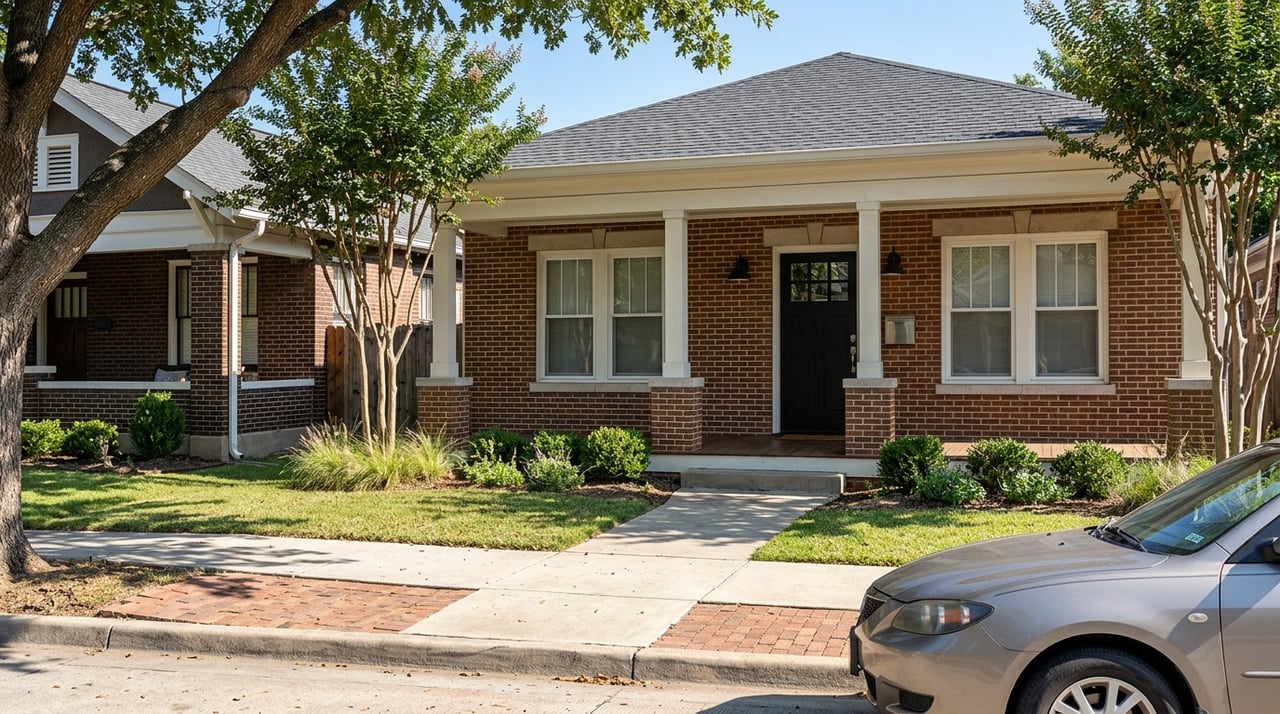
The City of Fort Worth says the Fairmount Historic District was first platted in the late 1800s and includes a strong collection of Craftsman-style bungalows. The district was largely built between 1885 and 1940, with many homes dating from 1905 to 1920, and its housing mix includes wood-frame bungalows, Four Squares, Queen Anne derivatives, Craftsman homes, Tudor Revival apartment buildings, and early commercial buildings.
That historic character connects directly to the larger Near Southside experience. The city describes Magnolia Urban Village as a historic main street environment with destination retail, office space, and housing, while Visit Fort Worth notes that Near Southside offers restaurants, live music venues, breweries, bars, galleries, and cultural activity within walking or biking distance.
If your ideal neighborhood includes both historic homes and nearby amenities, this area stands out. It gives you one of Fort Worth’s strongest combinations of architectural character, connected streets, and lifestyle access.
What Fairmount feels like
Fairmount is best for buyers who want a true historic neighborhood setting. The area is known for traditional streetscapes and a concentration of early-1900s homes, which creates a strong sense of place as you move through the neighborhood.
The predominant structure in the district is the single-family residence, and wood-frame bungalows are especially common. If you value older homes with visible architectural detail and a close-in location, Fairmount is one of Fort Worth’s clearest matches.
Why Magnolia adds walkability
Magnolia helps turn Fairmount’s historic appeal into a more practical, walkable lifestyle. Instead of relying only on residential charm, you also have a nearby corridor shaped around mixed-use activity and pedestrian-oriented development.
That matters if you want more than a beautiful house. It gives you the option to pair character at home with easier access to coffee shops, dining, and neighborhood activity nearby.
Downtown and Sundance Square deliver urban energy
If you want the most urban version of walkable historic charm, Downtown Fort Worth and Sundance Square are strong contenders. This is less about porch-lined residential streets and more about a lively city-center environment with historic architecture woven into an active mixed-use setting.
The City of Fort Worth describes Downtown as the region’s most vibrant, walkable, mixed-use urban center. Visit Fort Worth says Downtown offers walkable shopping, restaurants, parks, and landmarks, while Sundance Square blends historic western architecture with modern design across a 37-square-block campus.
That mix creates a different kind of charm. Here, the appeal comes from being able to move through a dense, active district where historic buildings and public spaces shape the experience.
Who Downtown fits best
Downtown is a strong fit if you want to be in the middle of the action. You may prefer it if your version of walkability means stepping out to restaurants, entertainment venues, galleries, and major landmarks without needing a car for every outing.
It can also make sense if you are drawn to condo or urban residential living rather than a detached historic bungalow. The lifestyle here is more city-centered and less neighborhood-quiet.
South Main offers a connected in-between option
South Main can be a smart middle ground if you want an urban atmosphere without being directly in the Downtown core. The City of Fort Worth describes South Main Urban Village as connected to the central business district and close to the Medical District, Trinity Railway Express, and major commercial and entertainment centers.
That connectivity helps explain why the area stays active throughout the day and into the evening. For buyers who want a walkable district with momentum and historic surroundings nearby, South Main deserves a place on the shortlist.
South Main works especially well for people who want a central location and a more evolving urban fabric. It may not read as purely residential-historic in the same way Fairmount or Ryan Place does, but it offers convenience and city access in a compelling package.
Ryan Place is classic and close-in
If your priority is a historic residential neighborhood near central Fort Worth, Ryan Place stands out. The neighborhood began in 1911 and sits just south of Downtown near restaurants, businesses, and the Medical District.
The City of Fort Worth says Joan Kline Park sits in the heart of the neighborhood, and the area is listed on the National Register of Historic Places. The neighborhood association also describes Ryan Place as the only residential historic district in Fort Worth.
This area tends to appeal to buyers who want a more residential pace while staying close to city amenities. It offers historic identity without giving up central access.
What makes Ryan Place appealing
Ryan Place is not the most entertainment-heavy option on this list, and that is part of its appeal. Its charm comes from its established setting, recognizable historic status, and close-in location rather than from a main street lined with nightlife.
If you want a neighborhood that feels rooted and residential first, Ryan Place may be a better fit than Downtown or South Main. It is a good place to look when you want historic character and convenience in the same conversation.
Mistletoe Heights offers quiet historic streets
Mistletoe Heights is a good match if you want a calmer historic setting near the central city. The neighborhood was developed in the second decade of the 20th century, and the district was designated a historic district by the City of Fort Worth in 2002.
The neighborhood association describes the area as known for cozy bungalows, front porches, and leafy streets. That gives Mistletoe Heights a softer, more residential version of walkable charm.
This neighborhood may appeal to you if your focus is less about walking to a dense entertainment corridor and more about enjoying a well-established historic setting. It is a strong option for buyers who value architectural texture and a quieter street scene.
Historic Southside offers value and change
For buyers who want historic context and a more budget-conscious starting point, Historic Southside and the Evans & Rosedale area are worth noting. The city says the district is less than five minutes from Downtown Fort Worth and has received more than $30 million in infrastructure, redevelopment, and planning investment since the late 1990s.
The city also describes the area as a major redevelopment opportunity for walkable and transit-oriented living, with new multifamily, townhome, retail, live-work, and grocery concepts in the pipeline. That signals a neighborhood in transition rather than one that is already fully built out in the same way as Fairmount or Ryan Place.
For readers thinking about entry price, current listing data shows a median listing price around $227,500 in Historic Southside. That makes it notably more accessible than some of Fort Worth’s more established close-in historic districts.
Price signals across these areas
If you are comparing neighborhoods, it helps to view pricing as a broad guide rather than a perfect side-by-side comparison. Current figures from the research show a wide range across Fort Worth’s walkable historic and urban-close neighborhoods.
| Area | Current price signal |
|---|---|
| Fairmount | Median listing price of $525,000 |
| Downtown Fort Worth | Median listing price of $435,000 |
| Mistletoe Heights | Median listing price of $563,999 |
| Ryan Place | Average home value of $425,330 |
| Historic Southside | Median listing price of about $227,500 |
These numbers are not identical metrics, so they should be used carefully. Still, they help show the broader spectrum, from more accessible historic southside pockets to higher-priced close-in districts with strong architectural appeal.
One key detail for historic-home buyers
If you are considering a home in one of Fort Worth’s historic districts, make sure you understand the city’s preservation process. The City of Fort Worth notes that exterior changes in local historic districts can be subject to district guidelines and certificate-of-appropriateness review.
That does not mean you should avoid these neighborhoods. It simply means you should factor in design review and district standards if you are planning exterior renovations, additions, or visible updates.
How to choose the right fit
The best neighborhood depends on how you define “walkable.” If you want the most restaurant and entertainment access, start with Magnolia, Near Southside, Downtown, Sundance Square, and South Main. If you want residential historic character first, Fairmount, Ryan Place, and Mistletoe Heights are likely stronger fits.
It also helps to think about what you want your daily experience to feel like. Some buyers want to walk to dinner and events several times a week. Others want a quiet historic street and just enough proximity to central Fort Worth to keep life convenient.
If you are weighing these tradeoffs, the right strategy is to compare not just home styles and pricing, but also street feel, nearby destinations, and how each area supports the lifestyle you actually want. That is where focused local guidance can make the search far more efficient.
Whether you are searching for a bungalow near Magnolia, a classic home in Ryan Place, or a more urban option near Downtown, Sky Luxury Group can help you evaluate Fort Worth neighborhoods with a clear, market-informed strategy.
FAQs
Which Fort Worth neighborhood has the best mix of walkability and historic homes?
- Fairmount and Magnolia offer one of the strongest combinations of historic residential character and nearby walkable amenities.
Which Fort Worth area is most walkable for restaurants and entertainment?
- Downtown Fort Worth, Sundance Square, Near Southside, and Magnolia are the best fits if your priority is walkable access to dining, entertainment, and activity.
Which Fort Worth neighborhoods feel more residential and historic?
- Fairmount, Ryan Place, and Mistletoe Heights are the clearest options if you want porch-lined streets, older homes, and a quieter residential setting.
Is Ryan Place a historic neighborhood in Fort Worth?
- Yes. Ryan Place began in 1911, is listed on the National Register of Historic Places, and is described by its neighborhood association as the only residential historic district in Fort Worth.
Are there more affordable historic areas near Downtown Fort Worth?
- Historic Southside and the Evans & Rosedale area may be worth a look, with current research showing a median listing price around $227,500 and ongoing redevelopment activity.
Do Fort Worth historic districts have renovation rules?
- Yes. In local historic districts, some exterior changes can be subject to district guidelines and certificate-of-appropriateness review through the City of Fort Worth.